
Every job recorded in SAP PM, from one sentence
Static equipment such as vessels, piping, valves and flanges needs far more jobs than pumps and compressors, and each one needs its own work order. At that volume most go unrecorded. Technicians now describe the work in one sentence and Velocity keeps SAP PM up to date.
≥ 90%
of static-equipment jobs recorded in SAP PM the same shift
Pilot target
≥ 95%
of records on the right equipment and part, checked by the planner
Pilot target
~2 min
from a work order most jobs never got
for a technician to log a job
Worked example
1 message
becomes the notification, work order, confirmation and part issue
Worked example
Pilot target: the success measure a pilot is held to. Worked example: from a walkthrough on representative data.
The problem
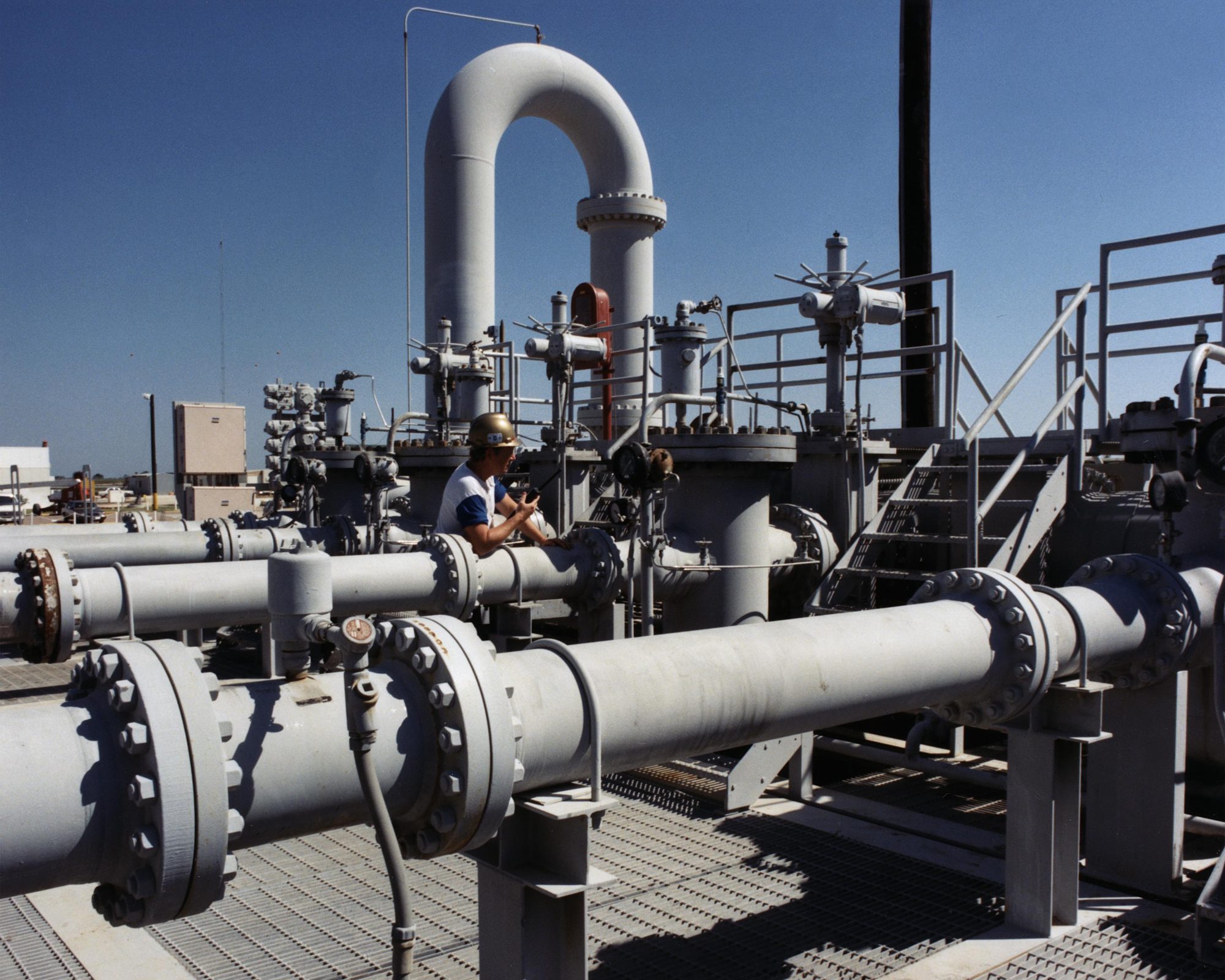
Rotating equipment is well tracked: every pump and compressor job gets a work order. Static equipment is different. A site does many small jobs a day on vessels, piping, valves, flanges and heat exchangers, and each one needs its own work order in SAP PM. Most are done and never recorded.
Writing the record is the hard part. The technician has to find the exact functional location where the work was done and the exact material that was fitted, and only a few people at each site know how to look those up.
Without that history, maintenance intervals for static equipment are set by habit, repeat failures go unseen, and the parts used never show against the equipment they went into, so stock planning works from guesses.
What it costs today
- Unplanned downtime, average offshore operator
- 27 days, about $38M a year
- Operators maintaining after failure or on a fixed calendar
- over 3 in 4
- Major leaks caused by corrosion, erosion and fatigue
- about half
Industry benchmarks for offshore oil & gas and major-hazard sites.
The solution: a team of specialist agents
Intake
Takes the job as the technician says it, in a message, in their own words.
Locate
Finds the functional location, equipment and material from SAP, drawings and past orders, and asks when two match.
Record
Creates the notification and work order, confirms the work and books the part used against the order.
Watch
Spots repeat jobs and parts used faster than planned, and sends them to reliability and stores.
How it works
One case, step by step, in the systems the team already uses. An illustrative case: names, times and figures are representative.
Day 1, 16:10
Technician
“Replaced the leaking gasket on the separator inlet flange, 6 inch spiral wound. Also re-torqued the bolts on the exchanger channel cover.”
Day 1, 16:11
Velocity · SAP PM · Drawings
Two separators on this installation have a 6 inch inlet flange. Is it the test separator or the production separator?
Day 1, 16:12
Technician
“Production separator.”
Day 1, 16:14
Velocity · SAP PM · SAP MM
Two jobs recorded on the right equipment: gasket replacement and bolt re-torque. The gasket material is matched to the flange rating, one gasket is booked against the order, and both orders wait in the planner's queue.
Day 2, 08:30
Maintenance planner
“Checked both. Close them.”
Week 6
Velocity · SAP PM
Third gasket on the same flange in six weeks. Sent to the reliability engineer with the history, and to stores, where this gasket is being used twice as fast as its reorder level assumes.
Before, and with Velocity
| Step | Before | With Velocity |
|---|---|---|
| Recording the job | Skipped for most static work | One message from the technician |
| Equipment | Only a few people can find the location | Found from SAP and drawings, asked when unclear |
| Part fitted | Not recorded, or entered as free text | Exact material booked against the order |
| Maintenance intervals | Set by habit | Based on each item's own history |
| Stock | Reorder levels guessed | Planned from the parts actually used |
What stays with your people
Every record waits for the maintenance planner before it is closed. Where the equipment or part is not certain, Velocity asks the technician instead of guessing. Changes to maintenance plans or stock levels go to the reliability engineer and stores as proposals; Velocity never makes them itself.
Works inside
SAP PM (notifications, work orders, technical objects) · SAP MM (materials, goods issue) · P&IDs & drawings · Chat or email
How a pilot runs
Twelve weeks on static equipment at one installation, compared with the SAP PM records for the same equipment over the previous year.
Questions
What does Velocity do for maintenance records?
Static equipment such as vessels, piping, valves and flanges needs far more jobs than pumps and compressors, and each one needs its own work order. At that volume most go unrecorded. Technicians now describe the work in one sentence and Velocity keeps SAP PM up to date. The work is split between specialist agents: Intake — Takes the job as the technician says it, in a message, in their own words; Locate — Finds the functional location, equipment and material from SAP, drawings and past orders, and asks when two match; Record — Creates the notification and work order, confirms the work and books the part used against the order; Watch — Spots repeat jobs and parts used faster than planned, and sends them to reliability and stores.
What results does it deliver?
≥ 90% of static-equipment jobs recorded in SAP PM the same shift — pilot target; ≥ 95% of records on the right equipment and part, checked by the planner — pilot target; ~2 min (from a work order most jobs never got) for a technician to log a job — worked example; 1 message becomes the notification, work order, confirmation and part issue — worked example. Every figure is labelled as measured in production, a pilot target, or a worked example on representative data.
Which systems does it work in?
SAP PM (notifications, work orders, technical objects), SAP MM (materials, goods issue), P&IDs & drawings, Chat or email. Velocity logs in with its own account and the permissions your IT team grants; there is no data migration or integration project.
What stays with your people?
Every record waits for the maintenance planner before it is closed. Where the equipment or part is not certain, Velocity asks the technician instead of guessing. Changes to maintenance plans or stock levels go to the reliability engineer and stores as proposals; Velocity never makes them itself.
How does a pilot run?
Twelve weeks on static equipment at one installation, compared with the SAP PM records for the same equipment over the previous year.