Blog/Engineering· · 5 min read
Reading the documents nobody indexed
The answer to most operational questions is already written down — in a drawing, a datasheet, a purchase order from six years ago. The hard part is reading it like an engineer would.
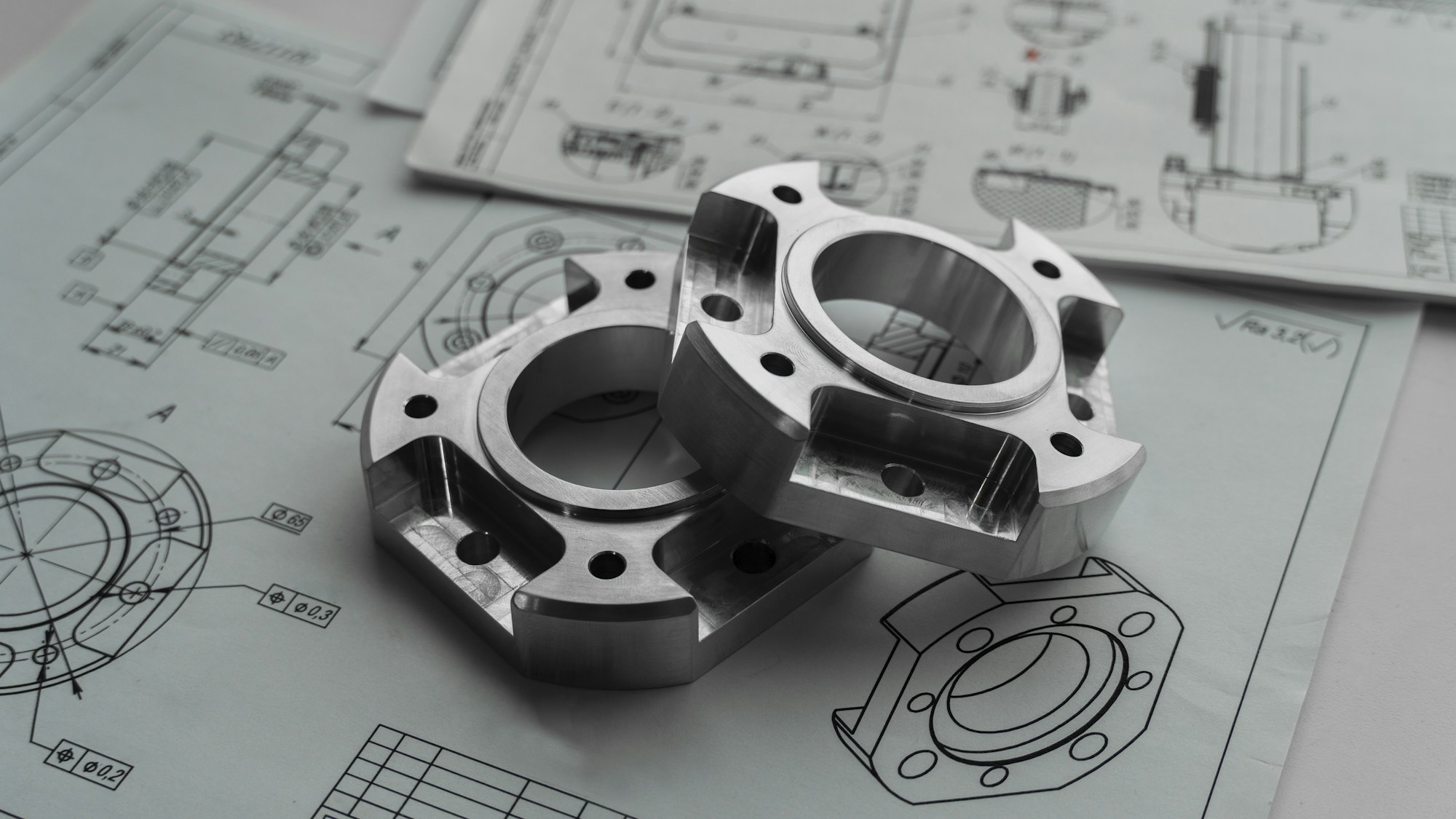
A site engineer reports a leaking mechanical seal on a booster pump. To order the right replacement, someone has to find the pump in the drawings, confirm the seal from the datasheet, check what was bought last time, and notice anything that has changed since.
In one worked example, that meant reading fourteen documents. Buried in them was the detail that mattered: the seal had been upgraded to a double seal in 2021. The requirement as written would have ordered the old one.
Search finds words. Operations needs facts
Keyword search would have found every document mentioning the pump, and left a person to read them. What the work actually needs is the fact — which seal, which size, which supplier, what it cost — with the page it came from, so the engineer can check it in seconds rather than rebuild it in hours.
How Velocity reads
- It reads drawings, datasheets, manuals, old orders and email threads as they are — scanned, inconsistent and in the site's own shorthand.
- It reconciles what they say: which document is newer, which one supersedes which, where two sources disagree.
- It answers with evidence: every fact carries its source, so a reviewer checks the claim instead of redoing the search.
- It asks when it isn't sure: one precise question to the engineer beats a confident wrong part.
The same reading powers the rest of the work. Matching a buyer's own product names to your codes. Finding the right item code from a free-text request. Spotting that a delivery note was signed but never receipted.
If a person can do the work with a login and the documents, Velocity can do it too — and show its working.