Blog/Operations· · 7 min read
What is an AI workforce?
An AI workforce is a team of specialist AI agents that does operational work inside a company's own systems, under its own approval rules. Here is what that means in practice, and how it differs from a chatbot, a copilot or a bot.
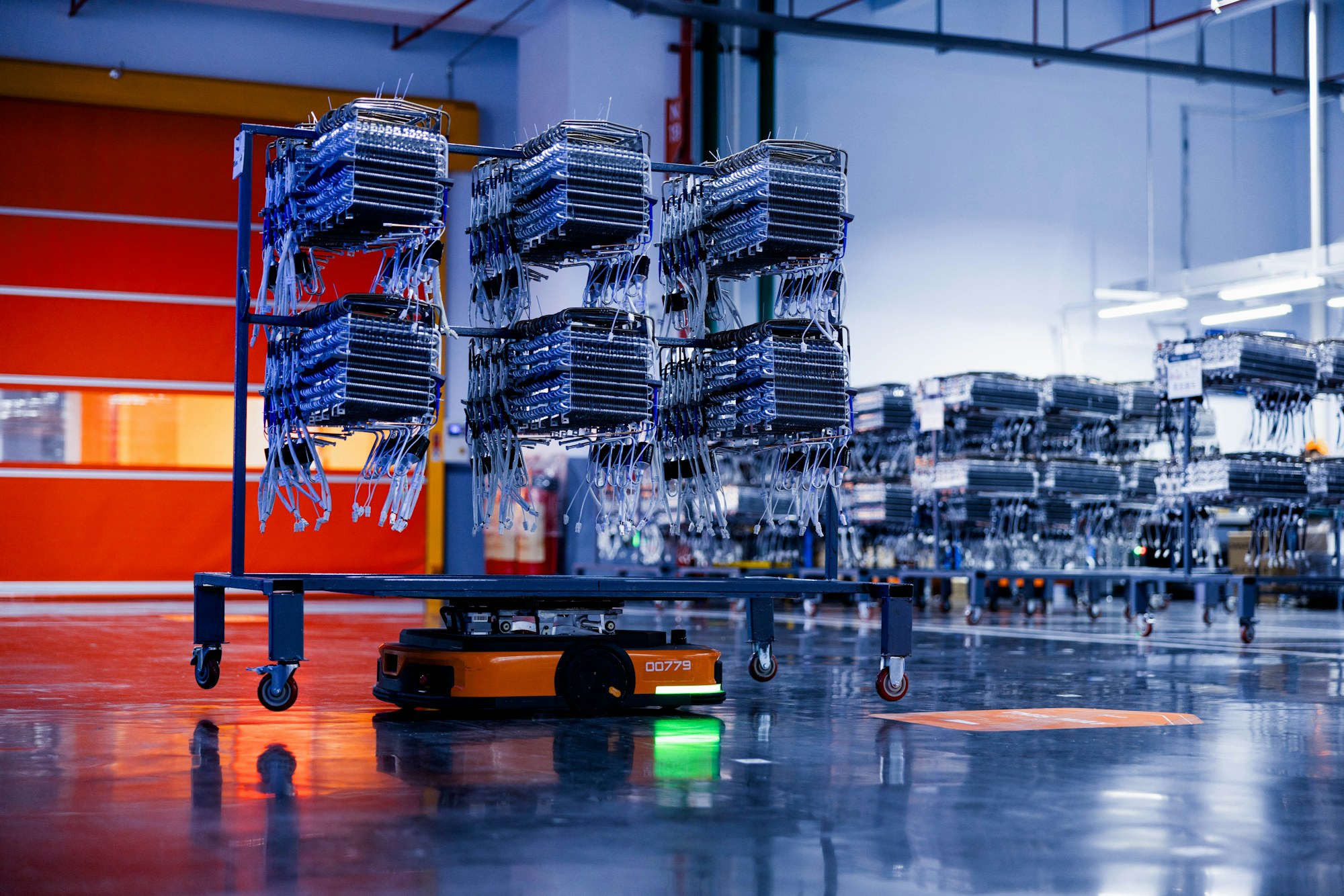
An AI workforce is a team of specialist AI agents that carries out operational work inside a company's existing systems. Each agent has a defined job, defined access and defined limits, and the team is coordinated so that a case moves from start to finish. You manage it the way you manage staff, with a login, a role and an approver. You do not install it the way you install software.
The phrase is used loosely, so it is worth being exact about the three things in that definition: it is a team, it does the work, and it does it inside your systems and rules.
How is an AI workforce different from a chatbot or a copilot?
A chatbot answers a question. A copilot helps one person write, summarise or search faster, and that person stays responsible for doing something with the result. Both wait to be asked.
An AI workforce is given the job. An order arrives by email and is entered in the ERP. An invoice blocks and the cause is found and fixed. A supplier confirms short and the options are priced before the planner has opened the message. Nobody typed a prompt.
- Chatbot: produces an answer.
- Copilot: produces a draft for one person, in that person's session.
- Classic RPA bot: repeats fixed, scripted steps on a structured screen.
- AI workforce: completes a piece of work across systems, and asks a person where policy requires.
What is an AI workforce made of?
Four parts, working as one. A team of agents: a lead agent that plans the work and talks to people, and specialists for procurement, finance, supply chain and logistics that do it. A map of the operation: how orders, plants, contracts and policies connect. A memory of the rules: SOPs, approval limits and past decisions, so a correction made once is remembered. And the systems the company already uses, which the agents log in to as a person does.
The team structure is the part people skip. One general model asked to handle procurement fails in ways that are hard to see. Narrow specialists that hand work to each other, with the evidence attached, fail in ways you can check.
What kind of work suits an AI workforce?
Work that is the same in shape and different in detail, and that sits between systems. Every stuck invoice is stuck for its own reason, but the way to investigate one is always the same: read the thread, the delivery note and the ERP record together, find the break, fix it with whoever owns it.
- Procurement: a free-text requirement turned into a requisition with the right item code; every approved vendor asked for a price.
- Procure-to-pay and accounts payable: order, receipt and invoice matched line by line; blocked invoices returned to the payment run.
- Order-to-cash: orders from email, chat and spreadsheets entered in the ERP; credit blocks resolved inside policy.
- Supply chain and logistics: supplier shortfalls recovered before the line stops; every freight invoice checked before it is paid.
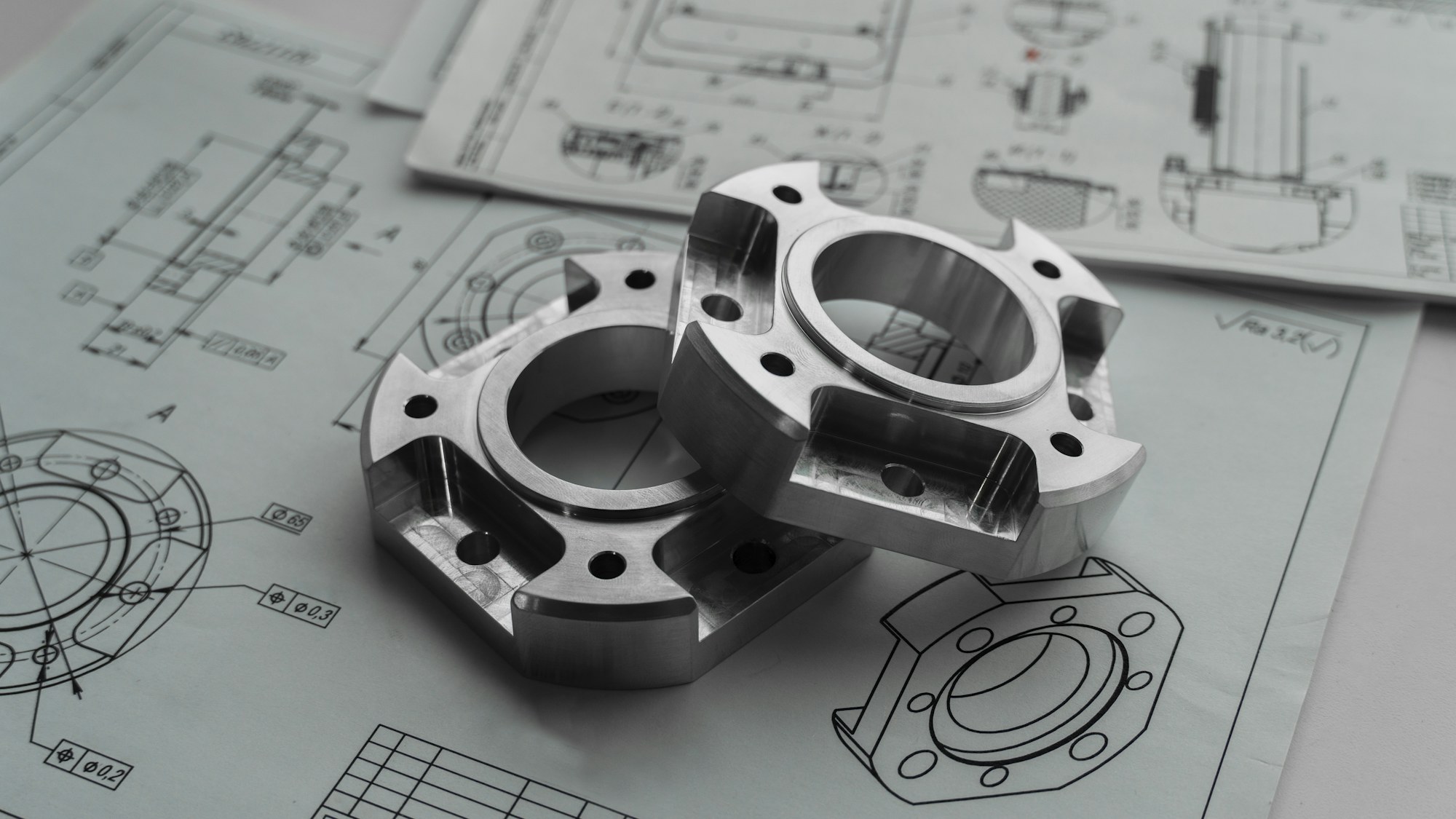
- Maintenance: the exact spare found in drawings and manuals; every job recorded in the maintenance system.
Much of this is work that was never done on every case, because it was never worth a person's time. Invoices were checked on a sample. Two vendors were asked, not eight. When checking one more case costs almost nothing, the sample becomes every case, and that is where the new savings come from.
How is an AI workforce controlled?
The same way people with system access are controlled, applied without exception. Velocity works through its own named account with the permissions IT grants, and cannot raise them. Autonomy is set per workflow: inside policy limits the agent acts, and above them it prepares the case and sends it to the approver the matrix names. It cannot approve its own exceptions. Every action records the rule it followed, the evidence it used and who signed off.
One control is specific to AI. Agents read emails and documents written by outsiders, and some of that text will try to give orders. A sound AI workforce treats what it reads as data, never as instructions.
How does an AI workforce join a team?
Like a new hire. First it gets a login to the ERP, email, chat and spreadsheets. Then it reads past transactions, SOPs, the approval matrix and delegated powers. Then it runs one workflow end to end, measured against a baseline agreed beforehand. A single workflow can be tested from four weeks; work that crosses several teams runs twelve to sixteen.
Nothing is migrated and nothing is replaced. The ERP stays the system of record. People see the agents' work as messages and an approvals queue.
What should you measure?
- Cycle time on the workflow, against the baseline: request to requisition, invoice to payment, order to dispatch.
- Coverage: the share of cases now checked, compared with the sample checked before.
- Money found: overcharges held, credit posted, premium freight avoided, stock moved before it expired.
- Routing accuracy: how often the agent's approval routing matches the matrix.
- What still reaches a person, and whether it arrives with the evidence attached.
Not fewer hands. Work that was never possible before.
Velocity, built by Rigid Body Dynamics, is an AI workforce for complex enterprise operations in oil and gas, ports and terminals, pharmaceuticals, manufacturing and distribution. The use cases on this site show one job each, with the problem, the agents on it, a case step by step, and the numbers.