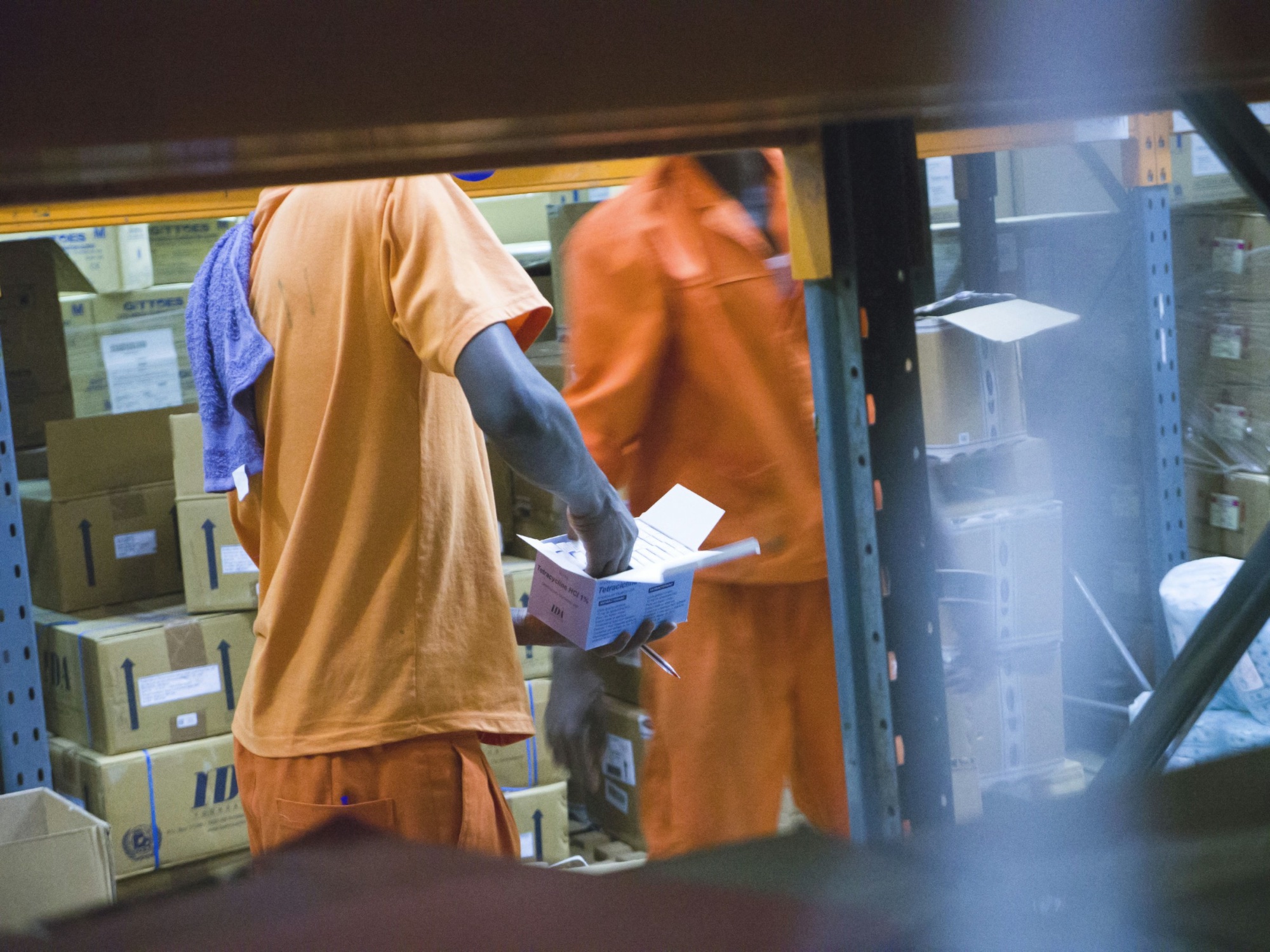
A safety label change traced to every affected pack in a day, before the old text printed
An approved warning change has to reach every product, market, language version, artwork and packaging run it touches. Velocity traces all of them, flags what is uncertain and prepares each team's actions for approval.

Same day
from approved change to every team's action list, across 46 packs in 14 markets
Before print
a scheduled run with the old leaflet held before it ran
Every pack
linked to the record it came from, uncertain matches flagged
Up to 80%
less time from approved change to agreed actions
The problem
When an approved warning changes, someone has to answer three questions: where does it apply, what has to happen, and is anything already being prepared or produced with the old text?
The answer is scattered. The approved change sits in regulatory documents, country versions and approvals in other records, artwork in its own system, packaging plans in operations, and the clarifications in email. A person gathers the pieces, checks they refer to the same product and version, chases the teams for what is missing, and works out the next steps.
What it costs today
- Drug recalls caused by labeling and packaging
- 15–19%
- Time to roll one leaflet change across EU markets
- 6–9 months
- Records one change has to be matched across
- Regulatory, artwork, packaging, email
Recall share from analyses of FDA drug recalls, 2012–2023; rollout time from an industry estimate for adding the EU black triangle to leaflets (2013).
The solution: a team of specialist agents
Research
Reads the approved change and finds every product, market and language version it applies to.
Artwork
Matches each pack to its current artwork and leaflet, and flags any that do not line up.
Packaging
Checks planned and in-progress runs that would still use the old text.
Coordination
Asks owners for what is missing, then raises the approved updates and follow-ups.
How it works
One case, step by step, in the systems the team already uses. An illustrative case: names, times and figures are representative.
09:00
Regulatory lead
“The updated liver warning is approved. Where does it apply, and is anything being packed with the old text?”
09:06
Velocity · Regulatory system · Artwork · ERP
It applies in 14 markets: 46 packs in 9 languages. 44 map cleanly to current artwork. Two markets carry local wording of the old warning — flagged, not assumed.
09:10
Velocity · Email
Asked both country teams to confirm their local text, and asked packaging which scheduled runs can still take new artwork.
11:40
Country team
“Confirmed: our local wording follows the core change.”
13:05
Velocity · Packaging plan
Two runs in the next three weeks use the old leaflet. One can switch artwork in time. The other prints Friday and needs a decision.
13:30
Quality lead
“Hold Friday's run. Raise artwork changes for all 46 packs.”
13:42
Velocity · Artwork · Change control · Email
46 artwork changes raised, each citing the approved text. Friday's run on hold, logged to you. Every team has its action list.
Before, and with Velocity
| Step | Before | With Velocity |
|---|---|---|
| Scope | Pieced together from documents, spreadsheets and email | Every product, market and language traced to its record |
| Artwork | Checked pack by pack | Matched to current versions, mismatches flagged |
| Missing facts | Chased team by team | Asked of the right owner, answers tracked |
| Production | Runs with the old text found late | Scheduled runs checked before they print |
| Follow-up | Agreed in meetings and email | Change requests raised, approved text cited |
What stays with your people
Regulatory and Quality decide how a change is read, where it applies and whether a run is held. Nothing changes in artwork or production without an authorised approval, and every step is logged against the person who approved it.
Works inside
Regulatory information management · Artwork management · Document management · ERP · Packaging plans · Email
How a pilot runs
Four weeks on one recent label change, replayed against what your teams found by hand, then run live on the next one.
Questions
What does Velocity do for labeling change control?
An approved warning change has to reach every product, market, language version, artwork and packaging run it touches. Velocity traces all of them, flags what is uncertain and prepares each team's actions for approval. The work is split between specialist agents: Research — Reads the approved change and finds every product, market and language version it applies to; Artwork — Matches each pack to its current artwork and leaflet, and flags any that do not line up; Packaging — Checks planned and in-progress runs that would still use the old text; Coordination — Asks owners for what is missing, then raises the approved updates and follow-ups.
What results does it deliver?
Same day from approved change to every team's action list, across 46 packs in 14 markets; Before print a scheduled run with the old leaflet held before it ran; Every pack linked to the record it came from, uncertain matches flagged; Up to 80% less time from approved change to agreed actions.
Which systems does it work in?
Regulatory information management, Artwork management, Document management, ERP, Packaging plans, Email. Velocity logs in with its own account and the permissions your IT team grants; there is no data migration or integration project.
What stays with your people?
Regulatory and Quality decide how a change is read, where it applies and whether a run is held. Nothing changes in artwork or production without an authorised approval, and every step is logged against the person who approved it.
How does a pilot run?
Four weeks on one recent label change, replayed against what your teams found by hand, then run live on the next one.